Outdoor Photography Tips for Texas Landscapes
Texas offers some of the most diverse outdoor photography opportunities in the country, from the desert mountains of Big Bend to the cypress swamps of East Texas and the rugged canyonlands of the Panhandle. Capturing these landscapes successfully requires more than simply visiting scenic locations. Light, weather, lens selection, timing, and preparation all play a major role in creating strong landscape images across the state. Whether you are photographing desert sunsets, coastal wildlife, rolling Hill Country wildflowers, or dramatic canyon overlooks, understanding how Texas conditions affect outdoor photography can help you produce sharper, more dynamic images.
Best Texas Landscapes for Outdoor Photography
View this post on Instagram
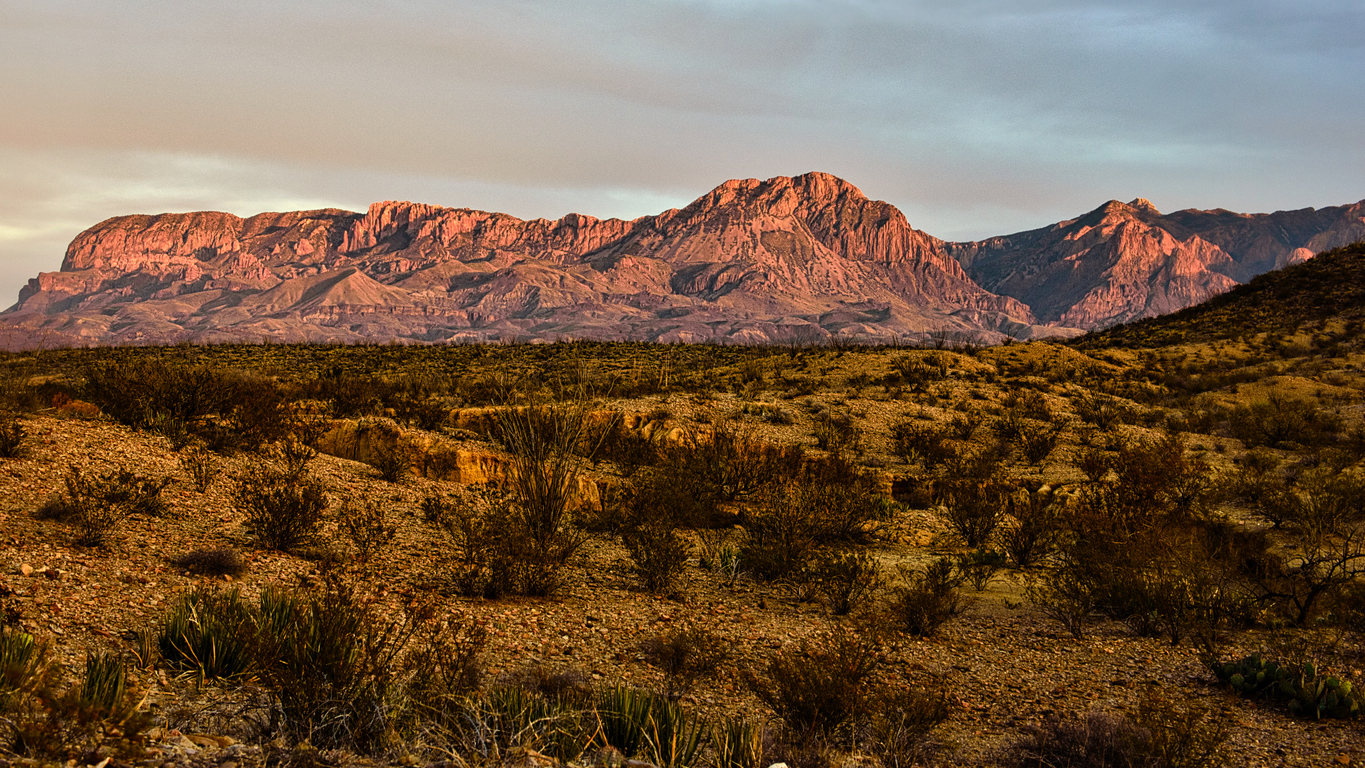
Big Bend National Park remains one of the most photographed outdoor destinations in Texas because of its dramatic mountain ridges, desert terrain, and dark night skies. The Chisos Mountains, Santa Elena Canyon, and the Ross Maxwell Scenic Drive provide a wide range of compositions throughout the day. The Lost Mine Trail is especially popular for sunrise photography because the elevated viewpoints overlook Juniper Canyon and surrounding peaks. Photographers often arrive before dawn to capture soft morning light hitting the mountains. The nearby Window View Trail also becomes a prime sunset location as the light drops behind the desert basin. In East Texas, Caddo Lake State Park offers a completely different landscape. The maze of bayous, cypress trees, and Spanish moss creates atmospheric scenes that work particularly well during foggy mornings. Kayak photography is especially popular here because it allows photographers to reach quieter areas of the lake. Farther north in the Guadalupe Mountains region, McKittrick Canyon is one of the best places in Texas for fall photography. The canyon becomes known for colorful maple and oak foliage during autumn, creating scenery rarely associated with Texas landscapes.
Best Times to Photograph Texas Sunrises and Sunsets
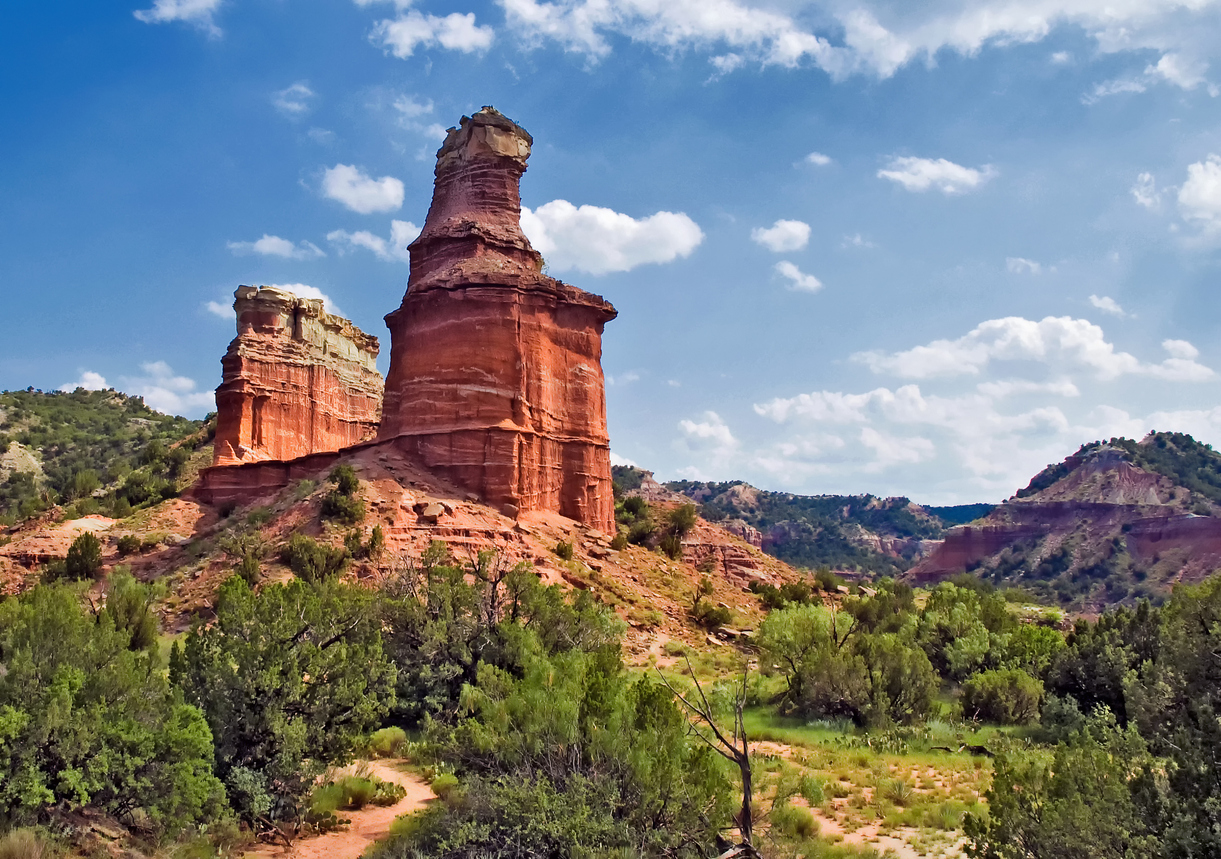
Lighting conditions often determine the quality of outdoor landscape photography more than the location itself. In Texas, the most flattering natural light usually occurs during the golden hour, which takes place shortly after sunrise and shortly before sunset. Morning photography tends to offer cooler temperatures, calmer winds, and fewer crowds at popular parks. Locations such as Palo Duro Canyon, Enchanted Rock, and Big Bend are especially appealing during sunrise because the softer light enhances rock textures and reduces harsh shadows. Sunset photography works particularly well in wide-open regions like West Texas, where unobstructed horizons allow dramatic colors to develop across the sky. Staying 15 to 20 minutes after sunset can also produce rich blue-hour tones that work beautifully for city skylines and landscape silhouettes. Weather conditions matter as well. Slightly overcast skies often create more balanced lighting than cloudless afternoons, especially in desert areas where direct sunlight can become extremely harsh.
Choosing the Right Lens for Texas Landscapes
Texas landscapes vary dramatically, which is why many photographers carry both wide-angle and telephoto lenses during outdoor shoots. Wide-angle lenses, typically 24mm or wider, work best for capturing expansive desert views, wildflower fields, and dramatic skies. Locations such as Palo Duro Canyon, Monahans Sandhills State Park, and the Hill Country often benefit from wide compositions that emphasize scale. Telephoto lenses are useful for isolating distant mountain ridges, compressing canyon layers, or photographing wildlife from a safe distance. In Big Bend, longer focal lengths can highlight the layered ridges of the Chisos Mountains while creating stronger visual depth. Photographers visiting wildlife-heavy areas such as Aransas National Wildlife Refuge or Brazos Bend State Park often rely on telephoto lenses for bird and animal photography.
Best Big Bend Photography Viewpoints
View this post on Instagram
Big Bend National Park contains some of the most recognizable outdoor photography locations in Texas. The South Rim Trail offers sweeping views across desert valleys and mountain ranges, especially during sunrise. Because the hike is strenuous and lengthy, many photographers camp overnight nearby to capture early morning conditions. The Grapevine Hills Trail leads to the famous Balanced Rock formation, one of the park’s most photographed natural features. Evening light often creates warm orange tones across the volcanic rock formations. Santa Elena Canyon provides another iconic viewpoint, where steep limestone cliffs rise above the Rio Grande. Morning light usually illuminates the canyon walls more evenly, while sunset can create deeper shadows and stronger contrast. For night photography, Big Bend’s International Dark Sky designation makes it one of the best stargazing and Milky Way photography destinations in the United States.
Portrait vs. Landscape Orientation for Outdoor Scenes
Texas landscapes often look best in traditional horizontal framing because of the state’s expansive horizons and wide-open scenery. Landscape orientation works especially well for desert panoramas, coastal sunsets, and rolling Hill Country terrain. However, portrait orientation can produce stronger images when photographing waterfalls, canyon walls, tall cypress trees, or vertical rock formations. Locations like Hamilton Pool Preserve, McKittrick Canyon, and Caddo Lake often benefit from vertical compositions that emphasize height and depth. Switching orientations while shooting the same location gives photographers more flexibility later during editing and publishing.
Wildlife Photography in Texas Parks
View this post on Instagram
Texas is also an excellent destination for wildlife photography. Coastal refuges such as Aransas National Wildlife Refuge attract photographers hoping to capture whooping cranes and migratory birds during cooler months. At Brazos Bend State Park, photographers frequently photograph alligators, turtles, wading birds, and deer along the park’s trails and lakes. Early mornings and late afternoons usually provide the best wildlife activity and softer lighting conditions. In South Texas, the Rio Grande Valley becomes a major bird photography destination because of its subtropical species diversity. Bentsen-Rio Grande Valley State Park and Estero Llano Grande State Park are both highly regarded among bird photographers.
Staying Safe During Texas Outdoor Photography Trips
Texas weather can become physically demanding during long outdoor shoots, particularly in desert and canyon regions. Carrying enough water is essential, especially in Big Bend and other West Texas parks where temperatures can exceed 100 degrees during warmer months. Lightweight clothing, a wide-brimmed hat, sunscreen, and proper hiking shoes help reduce heat stress during extended hikes. Many photographers also carry electrolyte packets to stay hydrated during long sunrise or sunset sessions. Checking trail conditions and weather forecasts before heading out is equally important. Flash flooding can occur suddenly in canyon regions, while muddy conditions after storms may make backroads difficult to access.
Best Seasons for Outdoor Photography in Texas
Each season offers different photography opportunities across Texas. Spring is known for bluebonnets, Indian paintbrushes, and wildflower photography throughout Hill Country and Central Texas. Summer works best for sunrise photography and coastal destinations, although high temperatures make midday shoots more difficult. Fall becomes especially popular in East Texas and the Guadalupe Mountains because of changing foliage colors. Winter provides some of the clearest skies for desert photography and stargazing in West Texas, while also bringing milder hiking conditions to parks like Big Bend and Palo Duro Canyon.
Conclusion
Texas offers an incredible variety of outdoor photography locations, from mountain overlooks and desert canyons to coastal marshes and forested lakes. Success in photographing these landscapes often comes down to preparation, timing, and understanding how changing light affects the scenery. Whether you are exploring Big Bend at sunrise, photographing fog drifting across Caddo Lake, or capturing wildflowers in the Hill Country, Texas provides endless opportunities for photographers willing to slow down, plan carefully, and work with the landscape.