How QR Codes Help Small Websites Turn Offline Visitors Into Online Traffic
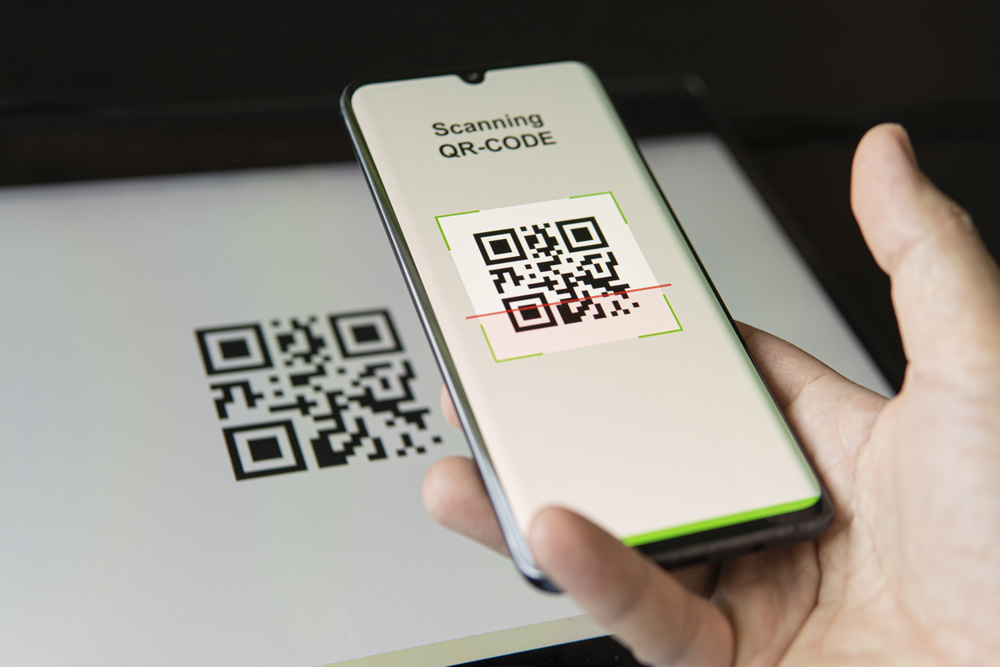
Getting people to notice your website isn't always the hardest part of marketing. Often, the real challenge is converting interest into action. Someone sees your storefront, picks up your brochure, visits your event booth, or purchases your product, but by the time they get home, they've forgotten the website address or moved on to something else.
QR codes solve that problem by creating an instant bridge between offline attention and online engagement. Instead of hoping someone remembers to visit later, you can send them directly to a specific page while their interest is at its highest. For small websites with limited marketing budgets, that ability to capture intent immediately can make a significant difference in traffic, leads, and conversions.
Why QR Codes Drive Real Traffic for Small Websites
QR codes cut through the gap between physical attention and online action by giving people an instant path to your website without requiring them to type a URL. That convenience matters because every additional step creates friction. The easier you make it for someone to visit your site, the more likely they are to follow through.
Timing also plays a major role. A customer standing in front of your storefront, holding your product, or attending your event is already engaged with your business. A QR code allows you to capitalize on that engagement before it fades. Instead of asking them to remember your website later, you're giving them a direct route right now, when interest is strongest and action is most likely.
This is especially valuable for small businesses and independent website owners. Larger companies may have the resources to dominate search results and advertising channels, but QR codes allow smaller organizations to convert existing offline exposure into measurable online traffic without a large marketing budget. A simple code on a flyer, package, or sign can turn everyday interactions into website visits, leads, and potential customers.
Why QR Codes Made a Comeback
QR codes first appeared decades ago, but adoption remained relatively limited for years. Early users often needed dedicated apps to scan them, creating friction that discouraged widespread use. Many businesses experimented with QR campaigns, but consumer participation remained inconsistent because the process wasn't always convenient.
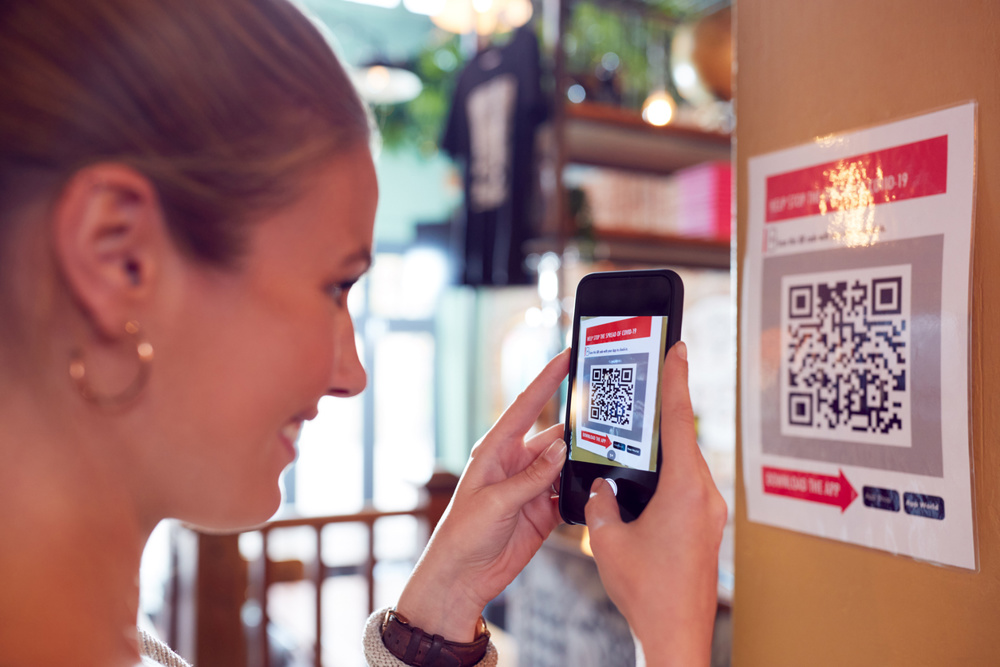
The rise of smartphones changed that. Modern mobile devices can scan QR codes directly through their built-in cameras, eliminating the need for additional software. Suddenly, scanning became fast, convenient, and accessible to almost everyone with a smartphone. What once felt like a niche technology became an everyday tool.
The COVID-19 pandemic accelerated adoption even further. Restaurants replaced printed menus with QR codes, businesses used them for contactless interactions, and consumers became comfortable scanning them in everyday situations. What was once considered a novelty quickly became a normal part of daily life. Today, many people instinctively scan a code when they want information, making QR codes more effective than ever for driving online engagement.
Where to Place QR Codes for Maximum Scans
Knowing that QR codes can drive traffic is only part of the equation. Placement determines whether people actually scan them. The best locations are places where your audience naturally pauses and has a smartphone readily available.
Storefront windows, product packaging, business cards, brochures, event signage, and direct mail pieces all create opportunities for engagement. These touchpoints already have your audience's attention, making them ideal places to provide a direct link to your website. The most successful placements align with moments when people are actively seeking information or considering a purchase.
Visibility matters as much as location. QR codes should be large enough to scan comfortably and placed where lighting conditions won't interfere with readability. Including a brief call to action such as "Scan to Learn More" or "Scan for Exclusive Offers" can also increase participation. The easier a code is to notice and understand, the more likely people are to use it.

Match Each QR Code to a Focused Landing Page
One of the most common QR marketing mistakes is sending every scan to a homepage. While a homepage provides general information, it rarely matches the specific reason someone scanned the code in the first place. Visitors who don't immediately find what they expected are more likely to leave.
Instead, create landing pages that align with the context of the scan. A QR code on product packaging might lead to instructions or tutorials. A code on a flyer could direct visitors to a promotional offer. An event sign might connect people to registration forms or schedules. Maintaining a clear connection between the physical asset and the digital destination creates a smoother user experience.
Once you've selected the destination, the next step is creating the QR code itself. Whether you're linking to a product page, newsletter signup, special offer, or contact form, you can create a QR code for your website and connect offline audiences directly to the content you want them to see. Maintaining this relevance between the physical asset and digital destination significantly improves conversion rates.
What Makes a QR Code Landing Page Convert?
Getting someone to scan is only half the challenge. Once visitors arrive, the landing page must immediately deliver on the promise that motivated the scan in the first place. If someone scans a code expecting a discount, product guide, or event registration page, they should find exactly that within seconds. Any disconnect between expectation and reality can cause visitors to leave before taking action.
Mobile optimization is essential because virtually every QR scan happens on a smartphone. Pages should load quickly, display clearly on smaller screens, and present information in a format that's easy to consume without excessive scrolling. Large buttons, readable text, and streamlined layouts help visitors find what they need without frustration.
The strongest landing pages focus on a single objective. Whether the goal is collecting email subscribers, generating leads, promoting a sale, or encouraging downloads, keeping the page focused reduces distractions and increases the likelihood of conversion. When visitors immediately understand both the value being offered and the next step they should take, results tend to improve significantly.
Why Mobile Experience Matters More Than the QR Code
Many businesses spend considerable time designing QR campaigns while overlooking the mobile experience that follows. In reality, the landing page often has a greater impact on results than the code itself. A perfectly placed QR code can generate scans, but only a well-designed mobile experience can turn those scans into meaningful actions.
A visitor may happily scan a QR code but leave within seconds if the destination loads slowly or displays poorly on their device. Even minor frustrations can significantly reduce conversions because mobile users typically expect immediate results. Delays, cluttered layouts, or confusing navigation can quickly erode the interest that motivated the scan in the first place.
The most successful QR campaigns treat the scan as the beginning of the experience rather than the end. Fast loading speeds, intuitive navigation, and clear calls to action ensure that the momentum created by the scan continues through the conversion process. In many cases, improving the mobile experience produces greater results than changing the QR code itself.
How to Track QR Scans From Print to Website Traffic
Tracking transforms QR codes from simple marketing tools into measurable business assets. Without analytics, you're guessing whether a campaign is successful. With analytics, you can identify exactly which placements, offers, and marketing materials generate results, allowing you to make smarter decisions over time.
UTM parameters allow you to track traffic sources within platforms like Google Analytics. By assigning unique tracking codes to different QR placements, you can determine whether scans came from flyers, packaging, event signage, business cards, or direct mail campaigns. This level of visibility helps identify which offline assets deserve additional investment.
Many QR platforms also provide detailed reporting that includes scan counts, locations, devices, and time-of-day data. Combining these insights creates a clearer picture of customer behavior and helps improve future campaigns. Rather than relying on assumptions, businesses can use real data to refine placements, adjust offers, and increase conversions.
Build Trust Before Anyone Scans Your Code
Not everyone feels comfortable scanning a QR code immediately. Concerns about security, spam, and malicious links can create hesitation if visitors don't trust the source. Building confidence before the scan often determines whether someone engages with the code at all.
Providing context helps eliminate uncertainty. A short explanation of what visitors will receive after scanning can significantly increase participation. Including your brand name, website URL, or a brief call to action near the code also reassures users that they're interacting with a legitimate destination rather than an unknown link.
Trust continues after the scan. Secure HTTPS pages, professional design, and a smooth user experience reinforce confidence and encourage visitors to complete the intended action. When users feel safe and informed throughout the process, they're much more likely to engage with your content and return in the future.
How Local Businesses Use QR Codes Successfully
Many successful QR campaigns are surprisingly simple. A coffee shop might place a code on cups that links customers to a loyalty program. A restaurant may use QR codes for reservations, menus, or promotional offers. These small additions create convenient digital touchpoints without requiring major marketing investments.
Retail stores frequently use QR codes to connect in-store shoppers with online product information, customer reviews, or special discounts. Real estate agents often place them on property signs to provide instant access to listings and virtual tours. In each case, the code helps bridge the gap between physical interest and digital engagement.
Even bloggers, creators, and small publishers benefit from QR codes. Event handouts, business cards, and printed materials can all direct readers to newsletters, social media profiles, or subscription pages, extending engagement beyond the physical interaction. For many small businesses, these simple applications generate measurable traffic and help build stronger relationships with customers over time.
Start With One QR Code, One Asset, One Goal
Many businesses make the mistake of launching multiple QR campaigns simultaneously without understanding which elements actually drive results. Starting small provides cleaner data and reduces complexity. Rather than placing QR codes on every marketing asset at once, it's often more effective to focus on a single campaign and learn from the results before expanding.
Choose one physical asset, such as a flyer, poster, product insert, or storefront sign. Then assign a single goal, such as collecting email subscribers, generating inquiries, promoting a specific product page, or driving event registrations. This focused approach makes performance easier to measure because every scan can be tied back to one clear objective.
Once you understand what works, expanding becomes much easier. Testing one variable at a time helps identify successful strategies and prevents confusion when analyzing campaign results. Small adjustments made from reliable data often outperform large campaigns built on assumptions, making a gradual approach one of the smartest ways to improve long-term results.
Use QR Scan Data to Improve Placement and Offers
Once your QR code is live, the scan data it generates tells you more than just how many people tapped it. Every scan provides insight into customer behavior, helping you understand which marketing efforts attract attention and which ones drive meaningful action. Over time, this information becomes one of the most valuable parts of your campaign.
Track key signals such as scan activity by time of day, performance by location, visitor drop-off rates, and offer effectiveness. For example, high scan counts paired with low conversions may indicate a problem with the landing page, while strong performance from one placement may justify additional investment in that location. Dynamic QR codes can also make testing easier by allowing you to change destinations without reprinting materials.
Each data point removes guesswork. You'll know which placements earn attention, which offers convert, and where improvements are needed. Instead of relying on assumptions, businesses can continuously refine their QR strategy using real customer behavior, leading to better traffic, stronger engagement, and higher conversion rates over time.
Conclusion
QR codes have evolved from a niche technology into one of the simplest and most effective tools for connecting offline audiences with online destinations. By eliminating friction, they allow businesses to capture interest at the exact moment it occurs rather than hoping customers remember to visit later.
The most successful campaigns combine strategic placement, focused landing pages, mobile-friendly design, and meaningful tracking. Together, these elements transform QR codes from simple graphics into measurable traffic and conversion tools.